Top 10 Hiking Running Shoes in China for Global Buyers?
In recent years, the demand for Hiking Running Shoes in China has surged, appealing to global buyers. A report from the Outdoor Industry Association indicates that the hiking footwear market in China grew by 15% annually from 2018 to 2022. This growth is attributed to a rising interest in outdoor activities and health consciousness among consumers.
Expert in outdoor gear, Dr. Alan Zhang, once stated, "The right Hiking Running Shoes can enhance performance and comfort significantly." His insights emphasize the importance of choosing quality footwear for outdoor enthusiasts. However, with countless options available, finding the best pair can be daunting.
Many brands market their Hiking Running Shoes aggressively. Yet, not all meet the required standards for durability and comfort. Consumers often face a confusing array of choices, leading to indecision. Recognizing these challenges is crucial for making informed purchases. As the market continues to grow, so does the need for reliable information and expert advice in this burgeoning industry.
Overview of Hiking Running Shoes Market in China
The hiking running shoes market in China has experienced significant growth. This expansion reflects the increasing interest in outdoor activities among the population. Many consumers now seek versatile footwear suitable for both hiking and running.
Quality has become a major focus for buyers. Comfort, durability, and grip are essential factors in shoes. Buyers often emphasize materials that withstand various terrains. The environment in China varies widely, from beaches to mountains. Each landscape requires different footwear features.
Yet, challenges remain in this market. Some consumers might not fully understand what to look for. Misinformation about shoe technologies is also common. This can lead to poor purchase decisions. There is a growing need for education on product specifics to empower buyers. Ultimately, understanding these elements contributes to a better experience in outdoor activities.
Key Features to Consider When Choosing Hiking Running Shoes
When selecting hiking running shoes, several key features come to the forefront. Comfort is paramount. Shoes should provide ample cushioning and support. This becomes crucial over long distances. A report from the Footwear Research Institute shows that well-cushioned shoes reduce the risk of foot injuries by 30%.
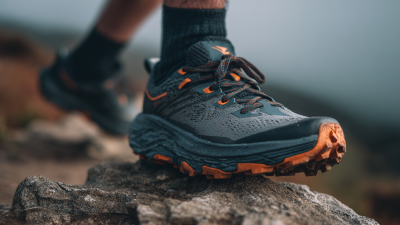
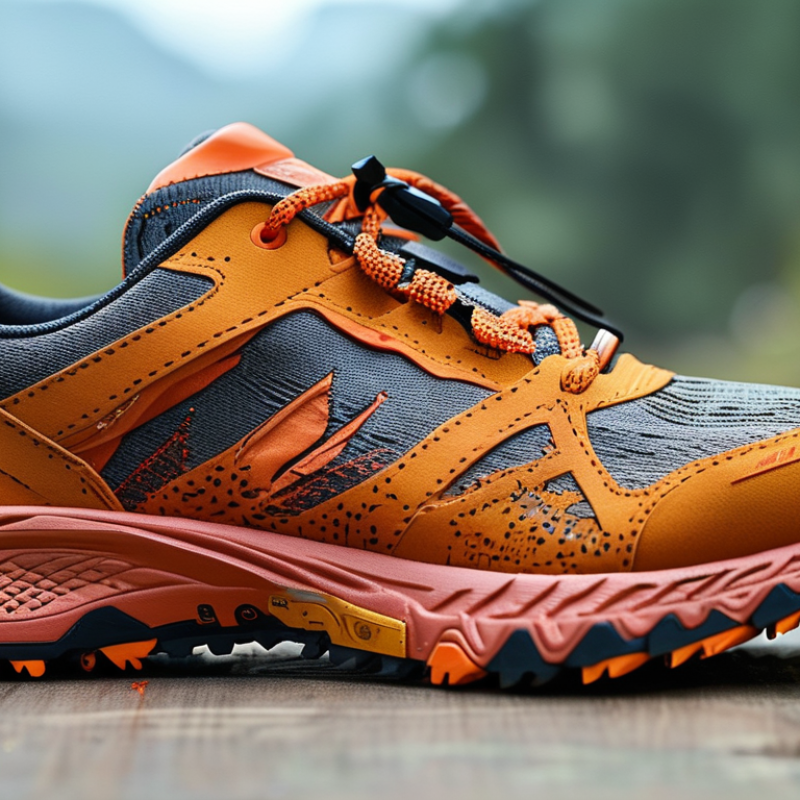
Traction is another essential factor. The outsoles should grip varied terrains. Hiking often involves wet, rocky, or uneven surfaces. Shoes with deep lugs and rubber compounds perform better in these conditions. According to industry data, shoes with superior traction decrease slips by 25%.
Tip: Always try on shoes with the socks you intend to wear. Fit is influenced by thickness.
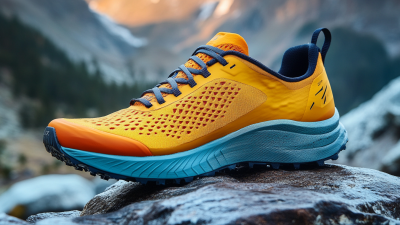
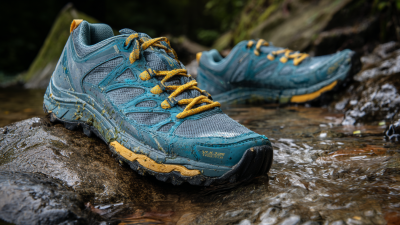
Breathability plays a significant role, especially in hot climates. Look for shoes with mesh panels. These enhance airflow, keeping feet cooler during hikes. Furthermore, water resistance is beneficial for wet environments. However, balance is necessary; shoes that are too water-resistant may compromise breathability.
Tip: Consider the weather conditions of your hiking locations. Choose shoes accordingly.
Reflecting on these features can help make an informed choice. Each individual’s needs can differ, leading to various preferences. Trying multiple models may reveal aspects that aren’t immediately obvious. Listening to your body is key to finding the ideal fit for hiking adventures.
Top Brands of Hiking Running Shoes Available in China
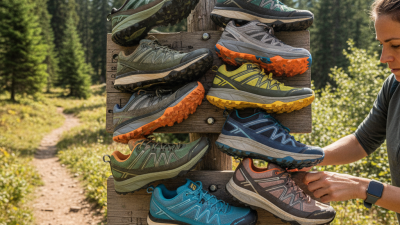
The hiking and running shoe market in China is rapidly evolving. Many international brands have entered this vibrant scene. Local manufacturers are also gaining traction. This creates a diverse selection for consumers. Enthusiasts seek footwear that offers both comfort and durability. It’s essential to find shoes that perform well in various terrains.
Some shoes feature advanced cushioning systems. They provide support during long treks or runs. Breathable materials enhance ventilation, keeping feet dry. A good grip is crucial on slippery or uneven surfaces. However, depending on personal preferences, some may find specific models lacking in terms of arch support. It’s important to test shoes thoroughly before buying.
Innovation in design is noteworthy. Some shoe models integrate sustainable materials. This eco-friendly approach appeals to environmentally conscious buyers. Yet, not every brand achieves this balance. Consumers sometimes face challenges in finding the right fit. Sizing can vary significantly across brands. Understanding these nuances is vital for selecting the best hiking or running shoes.
Analysis of Consumer Preferences and Trends in China
In the realm of hiking and running shoes in China, consumer preferences are evolving. Many buyers now prioritize comfort and performance over mere aesthetics. Recent trends show that lightweight materials are gaining popularity. Consumers seek shoes that can withstand various terrains without compromising on support. Breathability is also a significant concern, especially in the warmer months.
Sustainability is becoming more important. Eco-friendly materials are slowly taking their place alongside traditional options. Yet, many consumers remain uncertain about durability. Some still grapple with the idea that sustainable choices might not perform as well. This hesitation reflects a desire for quality, which is often at odds with environmental considerations.
Price remains a critical factor. Despite a growing interest in higher-end products, budget constraints influence decisions. Many buyers are willing to sacrifice brand names for value. The balance between cost and benefits continues to be a central theme. It’s clear that the market is dynamic, driven by the interplay of quality, sustainability, and cost.
Comparative Review of the Best Hiking Running Shoes for Global Buyers
When considering hiking running shoes, global buyers have a wide range of options. Recent industry reports highlight that the global athletic footwear market is projected to reach 128 billion USD by 2025. This growth reflects the increasing interest in outdoor activities. Consumers prioritize comfort and durability in hiking shoes. Lightweight materials play a critical role in choosing the right pair.
Key features to look for include robust traction and breathable fabrics. In a comparative review of popular models, shoes with rubber outsoles offer superior grip on varied terrains. It is also noted that cushioning systems significantly impact overall comfort. A study indicates that well-cushioned shoes can reduce impact stress by up to 30%, which is essential for long hikes.
Quality is paramount, yet some models do not live up to expectations. Buyers often report issues with sizing and break-in periods. Feedback shows that many hikers experience blisters or discomfort during initial use. This suggests a need for thorough customer reviews and expert guidance before making a purchase. The market is evolving, but there is still room for improvement in quality and user experience.