What Types of Sports Shoes Are Best for Different Sports?
Choosing Sports Shoes is not just a matter of color, brand, or price. Different sports place different demands on the body. A runner needs cushioning and a smooth transition through each stride. A basketball player needs grip and support for quick cuts on a polished court. Football boots need studs suited to the playing surface. The wrong match can feel awkward, even during a short session.
Sports biomechanics researcher Dr. Benno Nigg is often quoted as saying, “The best shoe is the one that feels the best.” Comfort matters. But it is only part of the decision. A comfortable shoe should also suit the sport, fit securely, and work on the surface where it will be used. A shoe that feels springy on a treadmill may feel unstable during side-to-side movement. Small details matter: heel hold, toe room, outsole pattern, and how the shoe bends.
This guide looks at what to consider for running, court sports, field sports, and training. It will explain how cushioning, traction, flexibility, and support differ by activity. No single shoe does everything well. That can be inconvenient. It is also easy to overestimate what a shoe can fix; footwear cannot replace sound technique or sensible training. Fit varies between people, too, so general advice has limits. If pain persists, seek guidance from a qualified health professional. The aim here is practical: help you compare options, notice important details, and choose Sports Shoes that match how and where you play.
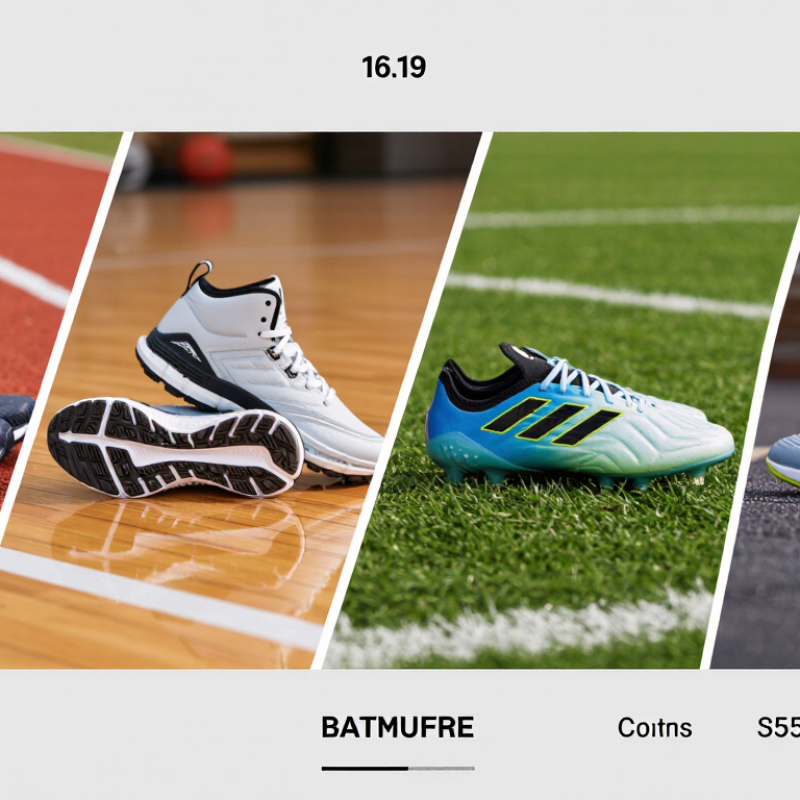
How Sports Shoes Are Designed for Different Activities
What Types of Sports Shoes Are Best for Different Sports?
How Sports Shoes Are Designed for Different Activities
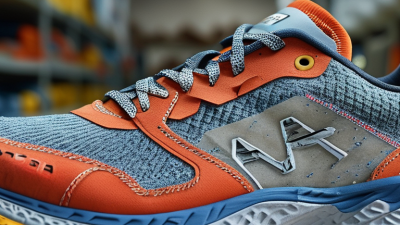
Sports shoes are shaped around the movements and surfaces of a specific activity. Running shoes often use cushioned midsoles to soften repeated forward impacts, while court shoes need lateral support for sharp stops and side-steps. World Athletics’ 2024 Technical Rules set maximum sole thicknesses of 40 mm for road shoes and 20 mm for track shoes. These limits show how competition rules can influence shoe construction, not just comfort. A shoe that feels springy on a road may feel unstable during a quick cut on a polished court.
Basketball designs commonly combine a broad base with a secure upper to help manage jumping and rapid direction changes. Tennis shoes are built for repeated lateral movement and may use tougher outsole rubber in high-wear areas. Those features are useful, but no design removes injury risk. The neat categories are imperfect: court surfaces, playing style, and foot shape all change how a shoe feels. A model suited to one athlete may rub another’s heel.
Tips: Match the outsole to your playing surface. Try shoes late in the day, when feet may be slightly larger. Check that your heel stays secure, and leave room for your toes. Replace worn tread before it loses grip.
Best Shoe Types for Running, Basketball, and Court Sports
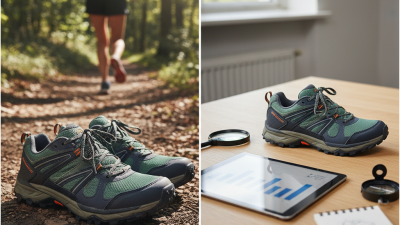
Running shoes should match the surface and the runner’s stride, not just look lightweight. For regular road miles, choose a flexible shoe with cushioning that feels comfortable during a short jog. The heel should stay secure, while the toes need room to spread. Fit matters most. On trails, deeper tread can help grip loose dirt, but aggressive lugs may feel awkward on pavement. Replace shoes when the cushioning feels flat or the outsole wears unevenly; mileage alone is an imperfect guide.
Basketball shoes need a stable base for quick stops, lateral cuts, and repeated jumps. Look for a snug midfoot, supportive sides, and a sole that grips the court without feeling sticky. A higher collar may feel reassuring, but it does not automatically prevent ankle injuries. Fit the shoe while wearing game socks, then test a few controlled slides. Any heel lift or pinching is worth taking seriously.
For tennis, badminton, and other court sports, prioritize lateral support and a durable, non-marking outsole. Tennis players may need sturdier tread for abrasive outdoor courts, while indoor players benefit from reliable grip on clean floors. Feel the floor. Too much softness can dull quick changes of direction, yet a very firm shoe may feel harsh after long rallies. Court surfaces differ, and personal comfort matters; the “best” shoe is not always the one that feels perfect in the store.
What Types of Sports Shoes Are Best for Different Sports?
Qualitative design priorities for running, basketball, and court sports. Scores indicate relative importance, not laboratory measurements.
How to read: 1 = lower priority, 2 = medium priority, 3 = higher priority. Running shoes generally prioritize cushioning and low weight; basketball and tennis shoes emphasize lateral stability and multidirectional grip for frequent side-to-side movement.
Best Shoe Types for Football, Hiking, and Training
For football, choose cleats that match the playing surface. Longer, widely spaced studs can suit natural grass, while short rubber nubs are often better for artificial turf. A poor match can feel slippery or make your foot catch during a turn. FIFA’s footwear testing framework evaluates traction and rotational resistance, useful reminders that grip involves more than stud length. The fit should hold your heel without squeezing your toes. Small detail. Try them with your usual football socks.
Hiking shoes or boots should suit the route and load. Low-cut shoes feel lighter on smooth trails; supportive mid-cut boots can feel steadier with a pack or on rough ground. The Outdoor Foundation’s 2024 Outdoor Participation Trends Report counted 175.8 million U.S. outdoor-recreation participants in 2023, though that figure covers many activities, not hiking alone. Look for lugs that bite into loose soil, and check that your toes do not strike the front downhill. For gym training, a stable, relatively flat sole helps with lifting, while lighter, more flexible shoes suit short movement drills. There is no perfect rule: a rigid boot may feel secure but tiring, and a cushioned trainer may wobble under heavy lifts. Test the pair on the movements you actually do.
How to Match Sports Shoes to Fit, Surface, and Playing Style
Match the shoe to the ground beneath you. For road running, choose a stable, flexible shoe with enough cushioning for repeated pavement impact. On trails, deeper lugs and a firmer upper help grip loose dirt and protect against stones. Court sports need lateral support and a grippy, relatively flat outsole for quick stops.
Fit comes first. Leave a thumb’s width at the toe, and check that your heel stays secure when you move.
Playing style matters, too. A runner who lands hard may prefer more cushioning, while a player making sharp cuts may value lockdown and side-to-side stability.
World Athletics’ Technical Rules cap sole thickness at 40 mm for road events and 20 mm for track events. These limits describe competition equipment, not a universal guide to comfort.
A thicker sole is not automatically safer or better. Walk, jog, or change direction in the shoes before deciding.
One caveat: fit advice can miss the mark when feet swell during long sessions, so try shoes later in the day and reassess.